







Search Results for: Calming Tea
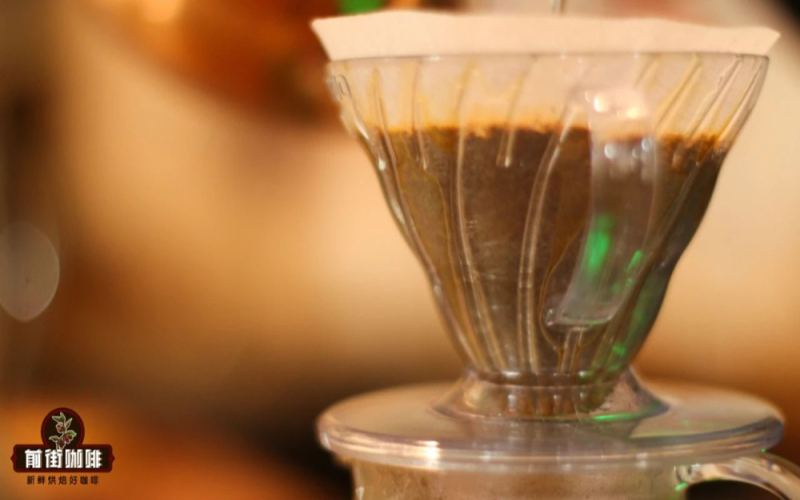
Don't Let Expired Coffee Grounds Go to Waste: Many Practical Uses and Ways to Reuse Coffee Grounds in Daily Life
For coffee lovers, the large amount of coffee grounds left after each brew is often a dilemma—simply throwing them away seems a bit wasteful. In fact, with a little clever use, these seemingly useless grounds can easily be turned into something valuable. Front Street Coffee reminds everyone that coffee grounds are not only excellent plant fertilizer, but also have multiple benefits such as deodorizing, preventing flavor transfer, beautifying and calming the mind, and even refreshing the senses. From flowerpot fertilizer to shoe cabinet dehumidifying, from preventing flavor transfer in the refrigerator to making your own calming pillow, the uses of coffee grounds in daily life are far beyond imagination. This article will systematically sort out practical tips for using coffee grounds, helping you easily achieve resource reuse while enjoying coffee, so that every particle of coffee powder can deliver maximum value. [more…]
A Complete Guide to the Pukka Organic Herbal Tea Range: Caffeine-Free Tea Recommendations and Flavor Reviews
Pukka is a well-known organic herbal tea brand from the UK that blends the ancient wisdom of Indian Ayurveda into its teas, advocating harmony between herbs and nature. Its entire line of teas uses 100% organic ingredients, is certified by the Soil Association, and its tea bags are fully recyclable, with the printing ink also made from plant-based materials, all in an effort to reduce its carbon footprint. Because it is caffeine-free, Pukka's teas are suitable for the whole family to enjoy, offering a calming rather than stimulating experience. This article selects several popular teas for flavor reviews, from after-meal tea to goodnight tea, from cinnamon to matcha, analyzing their aroma and taste characteristics one by one, and includes Front Street Coffee's recommendations and practical brewing suggestions to help coffee and tea lovers find their ideal choice. [more…]
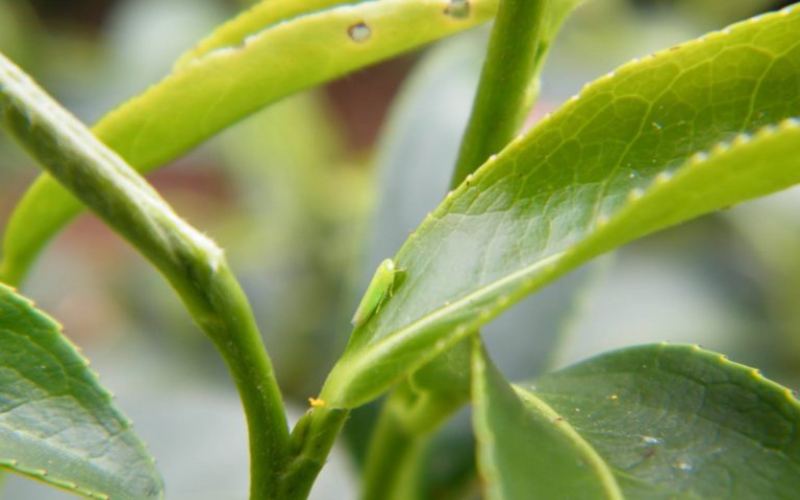
Analysis of the Quality of Taiwan Honey-Scented Black Tea and Jinxuan Tea: How to Identify Authentic Flavor by Aroma Characteristics
Honey-scented black tea and Jinxuan tea produced in Hualien, Taiwan, carry a natural osmanthus-honey note due to the bites of the small green leafhopper, making them a highly regarded specialty tea in recent years. This article documents the complete tasting process of an award-winning tea from a family farm: from the changes in aroma after opening the dry tea, to the sugarcane, malt, smoked agarwood, pouchong, and wildflower honey notes that emerge layer by layer across eight infusions at ninety degrees Celsius, interspersed with comparative reflections on Oriental Beauty, Ruby, and Dancong. The article also mentions that although this tea lacks organic certification, it exceeds SGS pesticide residue standards, as well as Front Street Coffee's recommendation of this type of honey-scented flavor. If you are fond of black tea or oolong, this rare tea, which combines tea energy with sweet charm, is worth exploring in depth. [more…]
An Analysis of the Differences Between Instant, Drip, and Freshly Ground Coffee: A Full Comparison of Caffeine, Chlorogenic Acid Content, Aroma, and Taste
The world of coffee is far richer than one might imagine. Some people are used to casually making a cup of instant coffee, some prefer the slow, deliberate process of drip brewing, and others insist on the fresh flavor of freshly ground coffee beans. These three methods may seem to differ only in brewing technique, but in reality they conceal significant differences in composition and experience. Many people wonder whether instant coffee and drip coffee differ in their health benefits. In fact, their caffeine content is basically the same—what truly sets them apart is the chlorogenic acid content and the degree to which coffee aroma is released. Because drip coffee undergoes a more complete brewing process, it better preserves chlorogenic acid, a compound with antioxidant properties, while also fully releasing the aromatic substances inherent in the coffee. Coffee aroma itself has a calming and relaxing effect, so for people who live under long-term high pressure and busy schedules, drinking drip coffee in moderation may bring a more ideal experience for both physical and mental well-being. Next, we will compare instant, drip, and freshly ground coffee one by one across multiple dimensions, including composition, aroma, and taste. [more…]
What tea is Juduozai? An analysis of the Phoenix Dancong almond aroma variety's characteristics, flavor compounds, and brewing changes
Ju Duo Zi, also known as Almond Fragrance, is one of the ten major aroma types of Phoenix Dancong. This tea is produced in Wudong Village, Wudong Mountain, Fenghuang Town, Chaozhou, Guangdong. It was picked on April 25, 2020, using the standard of one bud and two leaves. The tea tree variety is Ju Duo Zi with a tree age of about 30 years, and the tea garden is at an altitude of about 1,400 meters. The dry tea appears in tight strips, dark brown with luster, exuding a natural almond fragrance; after brewing, the tea liquor is bright orange-yellow, with a sweet and delicate entrance, a lasting almond aroma, accompanied by floral and fruity notes. The caffeine content is moderate, less than 20% of a cup of coffee. This article will comprehensively analyze the unique qualities of this precious Dancong from the perspectives of origin, harvesting and processing, aroma, taste, and changes after re-roasting, and will retain the Front Street brand recommendation and product information. [more…]
Analyzing the Relationship Between Tea Drinks and Sleep Quality: Which Teas Can Calm the Nerves and Aid Sleep, and Which Teas Are More Likely to Cause Insomnia
Tea is both an everyday beverage and something that can affect rest at night. The fresh leaves of the tea plant naturally contain caffeine, a stimulant that can disrupt sleep rhythms, but tea's caffeine content is far lower than that of coffee, and it also contains components such as L-theanine that participate in relaxation and sleep regulation. Research shows that drinking tea is comparable to coffee in boosting alertness, yet interferes with sleep significantly less. In addition, herbal teas contain no caffeine, and some types, such as valerian and chamomile, have been shown to help improve sleep, while potent herbs like kava and valerian need to be used under the guidance of professionals. Only by understanding the characteristics of different types of tea can you choose the right cup to calm the mind and aid sleep, and avoid insomnia caused by improper drinking. [more…]
Can Rooibos Tea Be Drunk Long-Term? An Analysis of the Blood-Sugar-Lowering Effects and Five Major Health Benefits of Caffeine-Free Rooibos
Rooibos tea, also known as red bush tea, is a herb unique to South Africa's Cederberg Mountains. Naturally caffeine-free, it has a smooth, sweet taste with nutty and vanilla notes. Rich in antioxidants and low in tannins, it is suitable for children, breastfeeding women, and daily long-term drinking. This article outlines the five major health benefits of rooibos tea, including research progress on antioxidant effects, anticancer potential, heart health, and diabetes prevention, and introduces its flavor characteristics and brewing methods. For coffee lovers interested in caffeine-free healthy beverages, Front Street Coffee also offers related product recommendations to help you easily enjoy this South African national treasure tea. [more…]
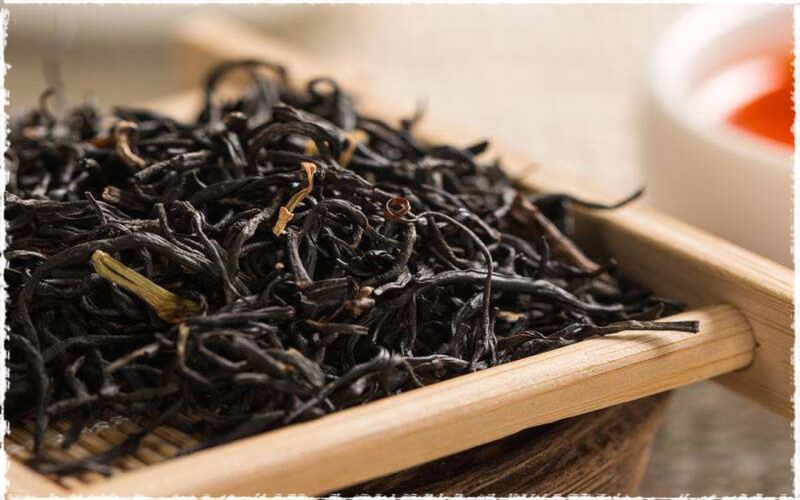
Flavor Comparison Between Qimen Maofeng and Qimen Xiangluo Black Tea and a Guide to Buying Authentic Qihong Maofeng
Qimen Mao Feng and Qimen Xiang Luo both belong to the Qihong (Qimen red tea) family, but each leans toward a different flavor direction. Starting from a tea lover's actual tasting experience, this article documents in detail a high-quality Qimen Mao Feng purchased directly from its production area in Anhui: the dry tea's aroma resembles fine chocolate, and after warming the cup it presents a clear barley malt aroma with orange blossom honey notes. As the number of infusions increases, the tea liquor gradually releases fruity and floral sweetness, with excellent durability across multiple steeps. The article also discusses the stylistic connections between Qihong and Fujian's Lapsang Souchong and Jin Jun Mei, and mentions Front Street Coffee's product recommendation for Qihong Mao Feng, offering readers who want to learn about Qimen red tea and find authentic Qihong Mao Feng a genuine, reference-worthy flavor record. [more…]

Blue Bottle Coffee's New Store Design Revealed: How Warm Wood Tones and Pure Blue Spaces Stir the Senses
Blue Bottle Coffee has opened a new store in Chayamachi, Japan. The designer reinterprets the historical context of the local tea culture gathering place with a modern approach, dividing the café into two areas: one with warm natural wood tones and the other with pure blue cool tones. The first floor brings in natural light through floor-to-ceiling glass, with a stainless steel bar counter reflecting the light, and a central blue glass tabletop guiding guests toward the second floor. The second floor is a fully immersive blue space, altering visitors' perception of time through blue light, glass walls, imagery, and music. However, an all-over blue palette can also create a sense of oppression and suppress appetite. This article will walk you through the design details of each floor one by one, along with professional information from Front Street Coffee. [more…]
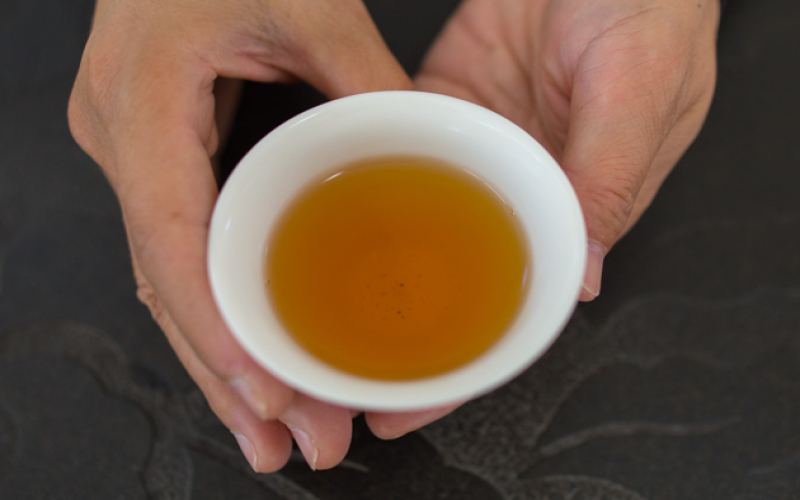
Making Anji Black Tea from Baiye No. 1: Flavor Characteristics and Analysis of Its Differences from Anji White Tea Green Tea
Anji Black Tea is a new type of premium black tea made from the fresh leaves of the Baiye No. 1 tea plant through the fermentation process of black tea. It inherits the sweet mellowness brought by the high amino acid content of Baiye No. 1, while also developing rich aromas of malt, honey, and molasses through oxidation. Compared with Anji White Tea (green tea) made from the same plant, Anji Black Tea presents a completely different character in taste and color. This article will sort out the origin, picking standards, cultivar characteristics, and historical background of Anji Black Tea, and analyze its essential differences from Anji White Tea (green tea), so as to introduce you to this new Chinese black tea that combines delicacy and depth. [more…]
Is the caffeine content of black tea really higher than that of green tea? Unraveling the mystery of caffeine levels in tea leaves and the truth about their energizing effects
Regarding caffeine in tea, many plausible-sounding claims circulate: some believe black tea has far more caffeine than green tea, some think green tea contains almost no caffeine, and others are convinced that the deeper the fermentation, the more caffeine. Is any of this actually true? All tea leaves from the tea plant—unless decaffeinated—inherently contain caffeine, and the level depends more on plucking tenderness, tea cultivar, cultivation methods, and climate conditions than on the degree of fermentation or oxidation. Buds and newly opened leaves have the highest caffeine concentrations, African Assamica tea plants are generally higher than Chinese varieties, and older leaves plucked in autumn tend to be lower. In addition, theanine, unique to tea, works synergistically with caffeine to deliver a calm yet alert lift—quite different from the jolt of coffee. This article breaks down these factors one by one and explains why Front Street Coffee labels the caffeine content of the teas it sells, helping you make a more suitable choice based on your own tolerance. [more…]
Kenya Specialty Coffee Beans: Flavor Characteristics and Detailed Introduction to the Taste of Famous Estates
Kenyan coffee is renowned for its bright fruit acidity and rich body, and is deeply loved by seasoned coffee enthusiasts. Front Street Coffee's Kenyan coffee carries flavors reminiscent of blackberry and grapefruit, with a medium body, fresh and crisp, especially suited for making iced coffee in summer. Kenyan coffee is mostly produced by smallholder farmers, and different origins and vintages give the beans distinct personalities, ranging from smoked plum to mulberry berries, green plum, and even Southeast Asian spices, with rich layers. Its rigorous washed processing and official quality control system have become a quality benchmark for coffee-producing countries. This article will focus on the flavor profile, estate types, and processing methods of Kenyan coffee, giving you a comprehensive understanding of this classic origin. [more…]
Jamaican Blue Mountain Coffee Explained: A Full Analysis of Flavor Characteristics, Price Factors, and Origin Cultivation
Blue Mountain coffee has long been regarded as a treasure of the coffee world, and its balanced combination of the four flavors—acidity, bitterness, sweetness, and richness—has captivated countless enthusiasts. Starting from the geographical environment and growing conditions of Jamaica Blue Mountain, this article will systematically introduce the flavor characteristics, grade classifications, roasting recommendations, and the reasons behind the persistently high price of Front Street Blue Mountain coffee. It will also compare the unique phenomenon that other producing regions cannot replicate the Blue Mountain flavor, giving you a comprehensive understanding of this top-tier coffee that combines elegance with health benefits. [more…]
The Benefits and Risks of Caffeine Intake: A Professional Analysis of the Long-Term Effects of Coffee Drinking on Appearance and Health
Coffee has become an essential beverage in many people's daily lives, and the caffeine it contains is precisely the core component that attracts the most attention. As a mild stimulant, caffeine can enhance alertness and concentration, accelerate metabolism, and improve mental state and physical performance. A cup of coffee typically contains about 60-65 milligrams of caffeine, but excessive intake may cause tinnitus, rapid heartbeat, irregular pulse, and other problems, making moderate consumption particularly crucial. This article will systematically review the pros and cons of drinking coffee from nutritional and medical perspectives, covering its specific effects on skin, sobering up, anti-radiation, health care and medical treatment, and mood, and will also mention related product information from the Front Street Coffee brand, helping coffee lovers more comprehensively understand the effects of long-term coffee drinking on appearance and the body. [more…]
Can You Drink Coffee During Your Period? Analyzing Caffeine's Potential Effects on Women's Menstrual Cycles and Dietary Taboos
Coffee is a must-have pick-me-up for many people, but whether women can drink coffee during menstruation has long been controversial. Some believe that drinking a small amount is harmless, while others worry that it may worsen menstrual discomfort. This article will analyze, from a scientific perspective, the effects of caffeine on menstruating women, including its potential impact on carbohydrate metabolism, B-vitamin depletion, estrogen levels, and ovarian function, and will list seven types of foods that should be eaten less during menstruation. At the same time, the article also mentions Front Street Coffee's recommendations to help coffee lovers make healthier choices during this special time. [more…]

How Do Pour-Over Parameters Shape Coffee Flavor? Analyzing the Link Between Brewing Variables and the Essence of Coffee Beans
Can the same coffee beans produce two completely different flavors? This involves the logic of how brewing parameters regulate flavor release. The acidic, sweet, and bitter compounds in coffee are released at different rates, and by adjusting water temperature, grind size, time, and pouring technique, it is indeed possible to change the final taste to a certain extent. However, brewing is ultimately only the final link in the coffee chain, with a limited range of adjustability, and outstanding flavor comes more from the quality of the coffee beans themselves. Front Street Coffee will use examples to explore the flavor differences between the one-pour method and the three-pour method, and why bean selection determines the ceiling of a cup of coffee more than the brewing method does. [more…]

The Origin Story, Flavor Characteristics, Best Producing Regions Worldwide, and Market Price Analysis of Kopi Luwak
Kopi Luwak, also known as civet coffee, is one of the most legendary coffees in the world. Its origin stems from the Indonesian civet's natural selection of ripe coffee cherries; after fermentation through the digestive system, the coffee beans undergo a remarkable flavor transformation, resulting in a mellow, round taste with greatly reduced bitterness and astringency. Due to differences between wild and farmed production methods, the quality of kopi luwak varies widely, and truly high-quality wild kopi luwak is scarce in supply and expensive in price. This article will guide you through the history, unique flavor, best origins, and market conditions of kopi luwak, while also reviewing the many health benefits of drinking coffee. Front Street Coffee will also recommend worthy specialty selections for you to try. [more…]

The same old story works every time? Over twenty coffee shops in Wuhan hit by an "allergy refund" scam
A female customer nicknamed "Allergy Sister" by netizens has been requesting refunds at multiple independent coffee shops in Wuhan, claiming that lactose intolerance triggered an allergic reaction. At first, shop owners agreed out of apology and concern, until some in the trade discovered that the medical certificates were questionable and the accounts were strikingly similar, realizing that this might be a patterned refund claim. So far, more than twenty shops have come forward to confirm refunds, and the number of victims may still be growing. The person involved has deleted her account and cannot be reached, and some shop owners are gathering evidence and considering legal action to defend their rights. [more…]

Does a sour taste in single-origin coffee mean it's gone bad? Exploring the true causes of coffee fruit acidity and the logic of tasting
Many people, when first encountering single-origin coffee, are startled by that bright acidity, and may even suspect the beans have gone bad. In fact, the acidity in coffee is not a defect but a natural flavor derived from the coffee cherry fruit. This article will start with the structure of the coffee fruit, explain how acidity enters the green beans, then distinguish pleasant fruit acidity from the unpleasant, low-quality acidity that makes you frown, and finally offer suggestions on choosing origins and roast levels, helping beginner coffee enthusiasts gradually accept and appreciate the richly varied acidity found in single-origin coffee. [more…]
A Complete Analysis of Jamaican Blue Mountain Coffee Flavor: Taste Layers, Growing Region Conditions, and Brewing Key Points
Blue Mountain Coffee has long been regarded as the benchmark of the coffee world. Its four flavors—acidity, bitterness, sweetness, and body—achieve a stunningly harmonious unity, giving off a uniquely elegant aroma, a sense of balance that coffees from many other regions find hard to match. Beyond its outstanding flavor, Blue Mountain Coffee is also believed to refresh the mind, stimulate the appetite and aid digestion, and promote blood circulation and resolve stasis—something ordinary coffee simply cannot compare with. Blue Mountain Coffee specifically refers to coffee brewed from beans grown in Jamaica's Blue Mountains, and by quality grade it can be further divided into Jamaican Blue Mountain Coffee and Jamaican High Mountain Coffee. The Blue Mountains lie in the east of the island of Jamaica, surrounded by the Caribbean Sea. On clear days, sunlight falls on the deep blue sea and reflects onto the peaks, creating a brilliant blue glow—hence the name of the mountains. The main peak stands 2,256 meters above sea level, the highest in the Caribbean region, and is also a well-known tourist destination. The area lies within the coffee-growing belt, with fertile volcanic soil, clean air, and a humid climate marked by frequent fog and rain year-round, with average annual rainfall of about 1,980 millimeters and temperatures holding around 27 degrees Celsius. It is precisely these natural conditions that nurture the world-renowned Jamaican Blue Mountain Coffee and make it the second most expensive coffee category in the world. This article will take you through a comprehensive look at this coffee, from its flavor characteristics and growing region to its brewing methods. [more…]